Autonomous security drones are often described as “the future of security,” but that phrase doesn’t explain what they actually do.
So let’s break it down—step by step—based on how modern autonomous drone patrols operate in real-world security environments.
This isn’t science fiction. It’s practical, layered security designed to close the gaps traditional systems leave behind.
Step 1: Mission Planning and Area Mapping
Before a drone ever takes flight, the site is mapped and defined.
Security teams establish:
Patrol zones and perimeter boundaries
No-fly and restricted areas
High-risk locations (access points, equipment zones, storage areas)
Patrol schedules and response rules
This planning ensures the drone patrols with purpose, not randomly.
Step 2: Autonomous Launch and Scheduled Patrol
At the scheduled time—or in response to a trigger—the drone autonomously launches.
No joystick.
No manual piloting.
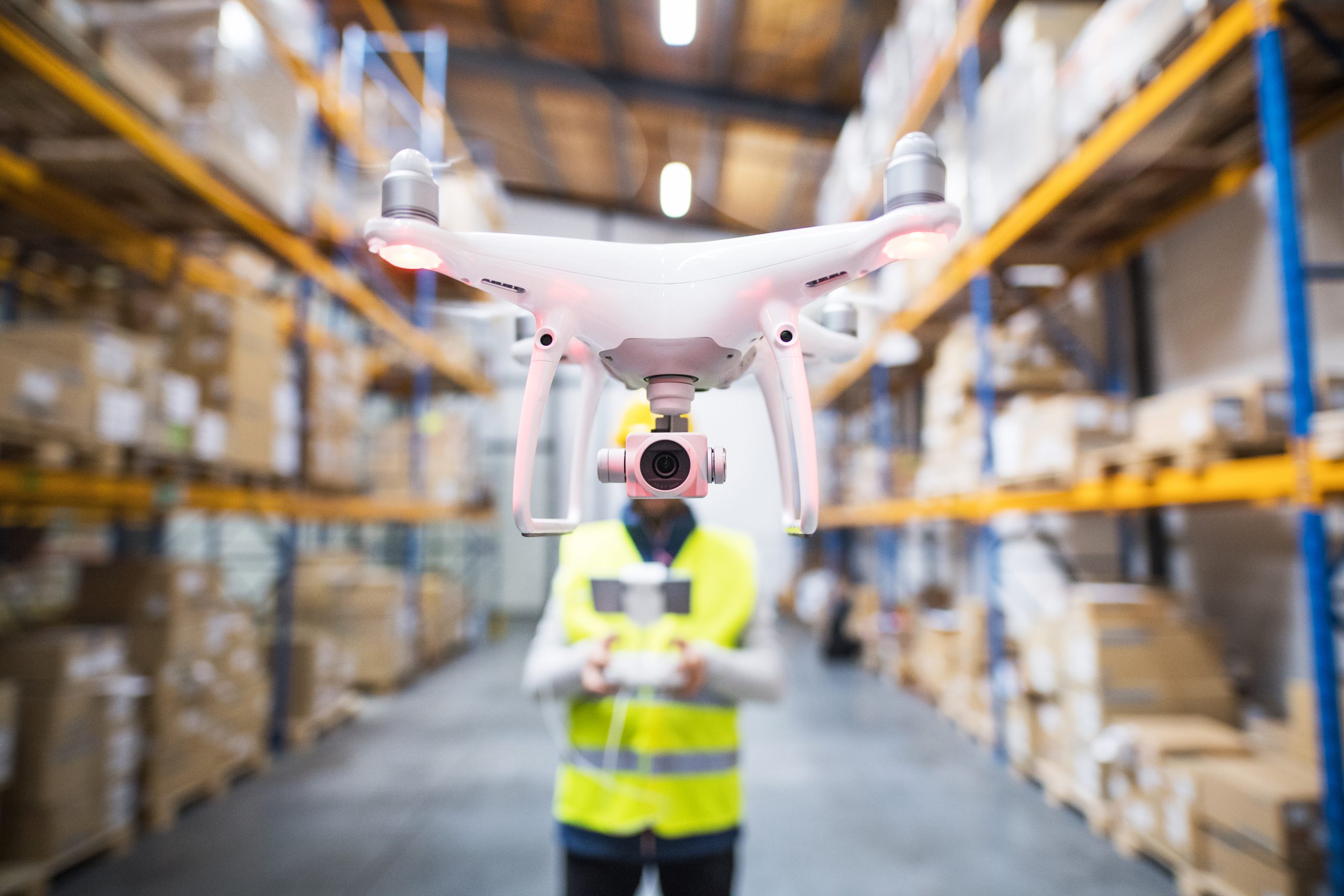
The drone follows a predefined patrol route while maintaining altitude, speed, and positioning optimized for surveillance coverage. This allows it to consistently monitor areas that would otherwise require multiple guards or camera angles.
Step 3: Real-Time Environmental Scanning
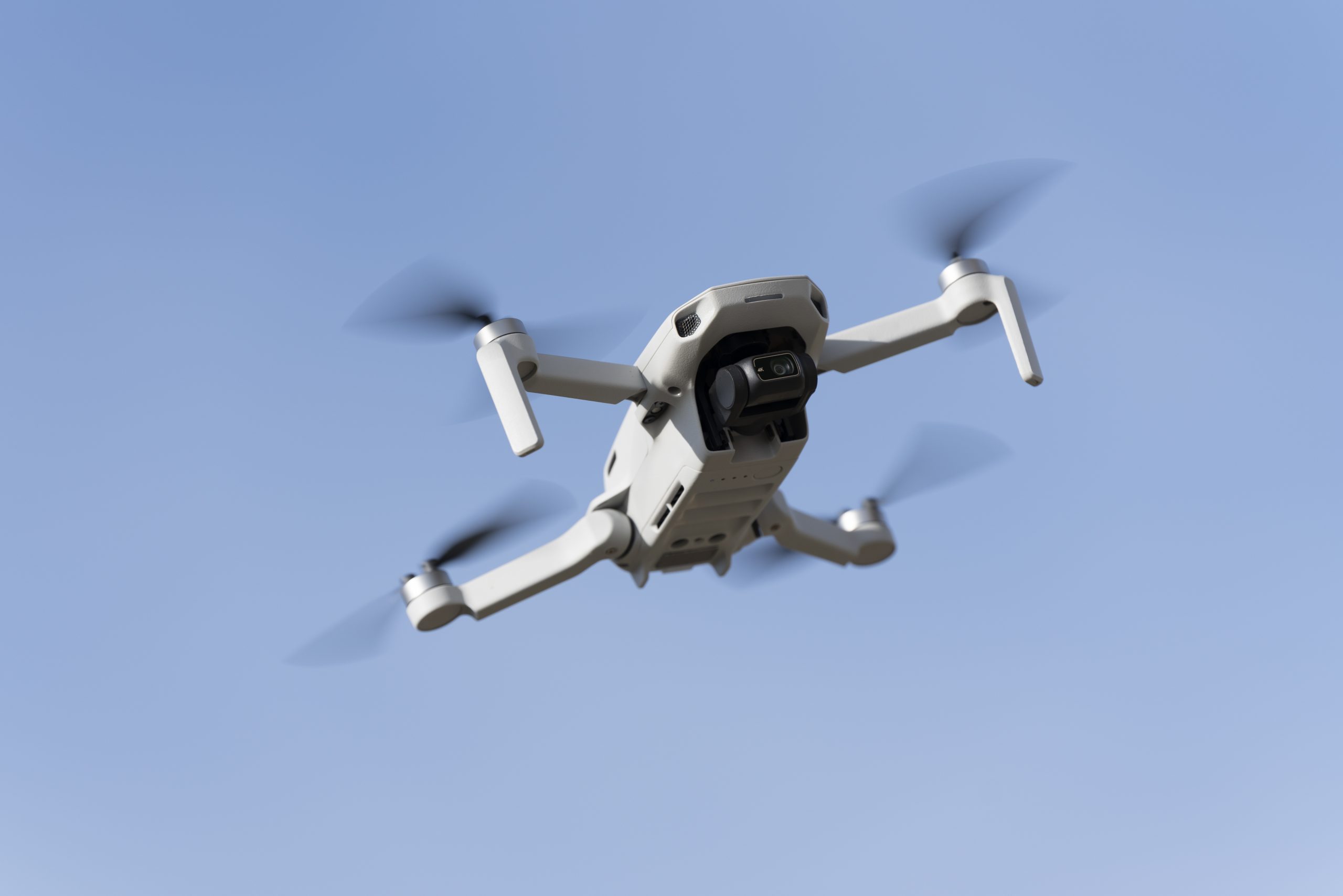
As the drone patrols, it continuously scans the environment using multiple sensor inputs, which may include:
Visual cameras
Thermal imaging
Motion detection
Geofencing awareness
Unlike fixed cameras, the drone moves through the environment, eliminating blind spots and providing multiple perspectives of the same area.
Step 4: AI-Based Threat Analysis
This is where autonomous patrols become truly effective.
AI systems analyze incoming data in real time, looking for:
Unusual movement patterns
Heat signatures where they shouldn’t be
Loitering near restricted areas
Perimeter breaches or abnormal behavior
Instead of flagging everything, AI filters out routine activity and focuses attention on what actually matters.
Step 5: Threat Verification and Tracking
When something suspicious is detected, the drone can:
Pause or adjust its patrol route
Reposition to maintain visual contact
Track movement across the site
Provide multiple angles for confirmation
This step is critical. It reduces false alarms and gives security teams immediate clarity about what’s happening—not just an alert, but context.
Step 6: Alerting Human Teams With Actionable Intelligence
Once a potential threat is verified, the system alerts human operators with:
Live video feeds
Location data
Threat classification
Time-stamped evidence
Instead of reacting blindly, teams receive actionable intelligence that allows them to respond faster and more decisively.
Step 7: Incident Documentation and Reporting
After the patrol—or any incident—the system automatically logs:
Flight paths
Sensor data
Video footage
Event timelines
This documentation is invaluable for post-incident reviews, compliance requirements, and insurance or legal purposes.
Step 8: Autonomous Return and Recharge
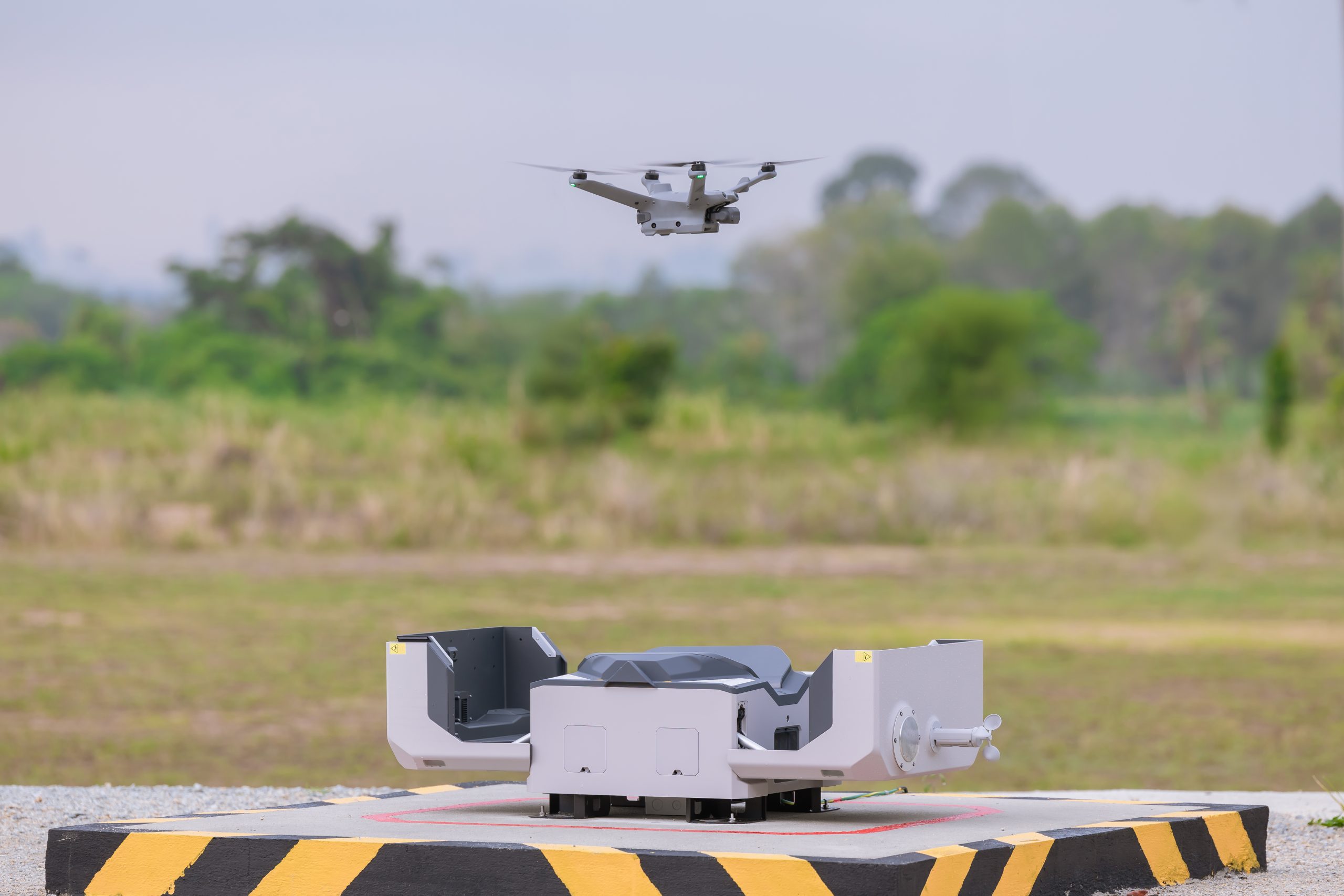
Once the patrol is complete, the drone autonomously returns to its docking station to recharge and prepare for the next mission—ready to repeat the process without fatigue or downtime.
Why This Matters
Autonomous drone patrols don’t replace people or existing security systems. They extend them.
They provide:
Faster situational awareness
Coverage where cameras can’t reach
Reduced response times
Fewer blind spots
A proactive layer of protection
At Sentinel SkyGuard, this approach is rooted in real-world security experience—not theory. The goal is simple: help organizations see threats sooner, understand situations faster, and respond smarter.